What is advanced blemish removal and reduction?
Advanced blemish removal treatments using electrolysis. A wide range of skin blemishes can be treated easily and effectively, with minimal skin reactions, downtime and post-treatment care. Thereby offering you a safe and proven route to improved skin.
What can be treated?
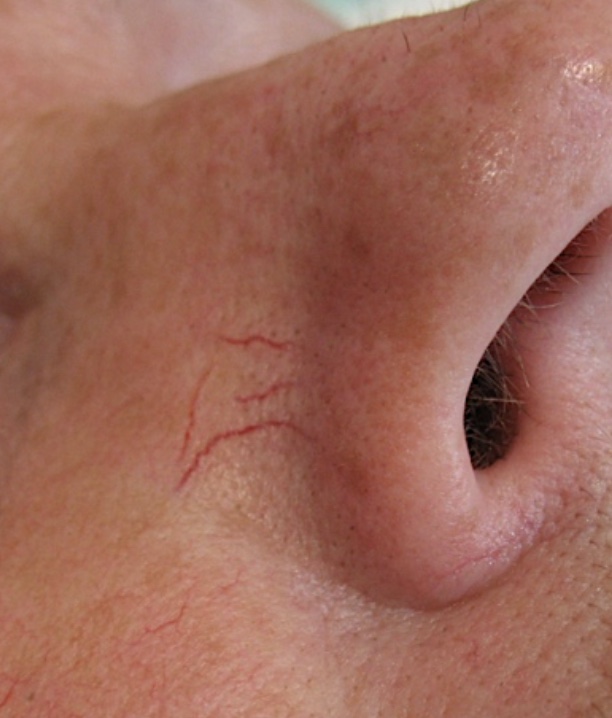
THREAD VEINS
These are permanently dilated capillaries. They have very thin walls constantly dilate and constrict. As we age, these vessels lose their elasticity and can become permanently dilated. There are numerous causes including ageing, sun-damaged, hereditary, pregnancy, a physical trauma (e.g. injury to the skin), exposure to harsh weather, hormonal changes and skin fragility.
BLOOD SPOTS
Bright red, superficial and circular vascular blemishes. These are often dome-shaped or slightly raised and are frequently found on the midriff. Most people ages over 30 have at least one and they are often more common in men than women.
SPIDER NAEVUS
A Spider Naevus consists of a central dilated blood vessel, with smaller capillaries radiating from it like legs of a spider. They can be found in isolation or gathered together in clumps ob areas such as the cheeks or chest
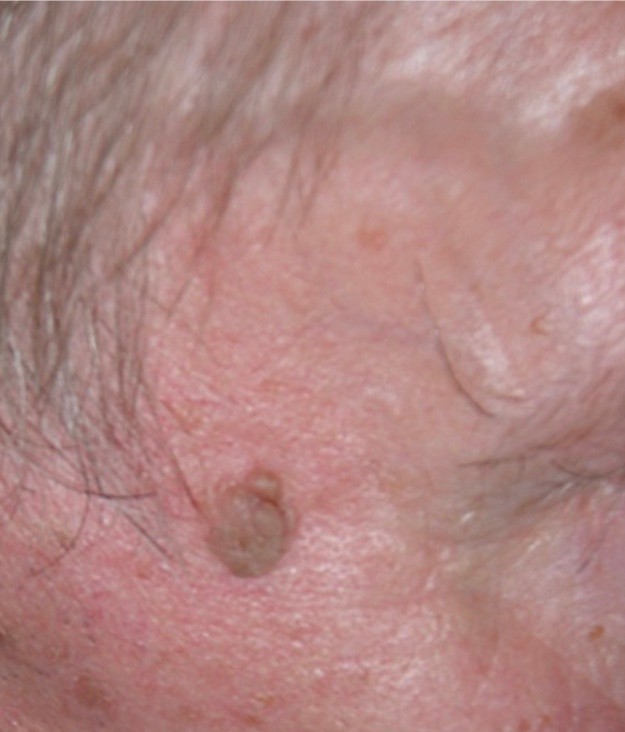
SKIN TAGS
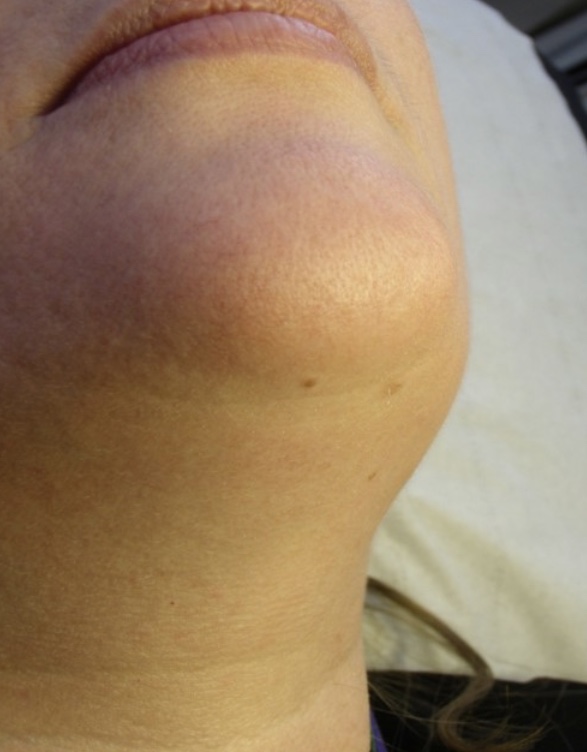
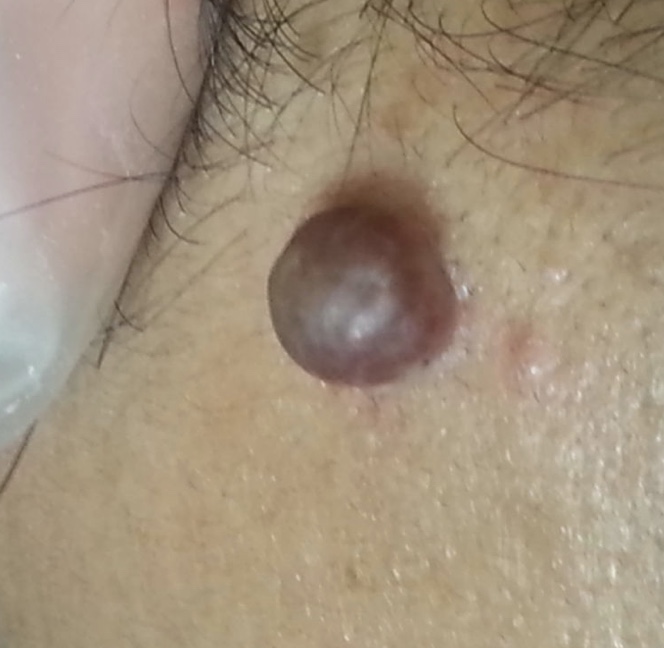
Skin Tags are mainly found in areas of friction such as the underarm, groin, under the breasts or around the neck where necklaces and collars irritate. They often appear with a stalk attachment, like a mushroom and vary in size from smaller than a grain of uncooked rice, to the size of a large pea or even larger.
MILIA
These are tiny, white, hard spots which lie superficially under the skin and which contain keratin. Their cause is unknown although they are often associated with dry, dehydrated skin.
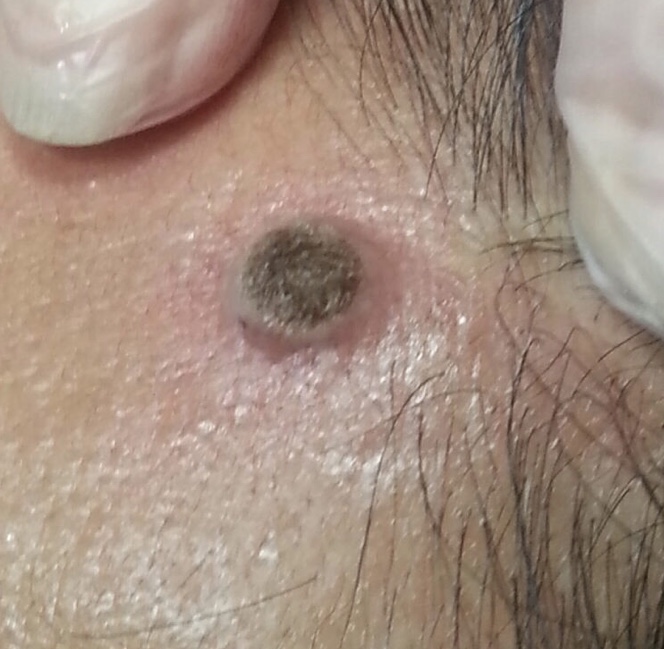
MOLE REDUCTION
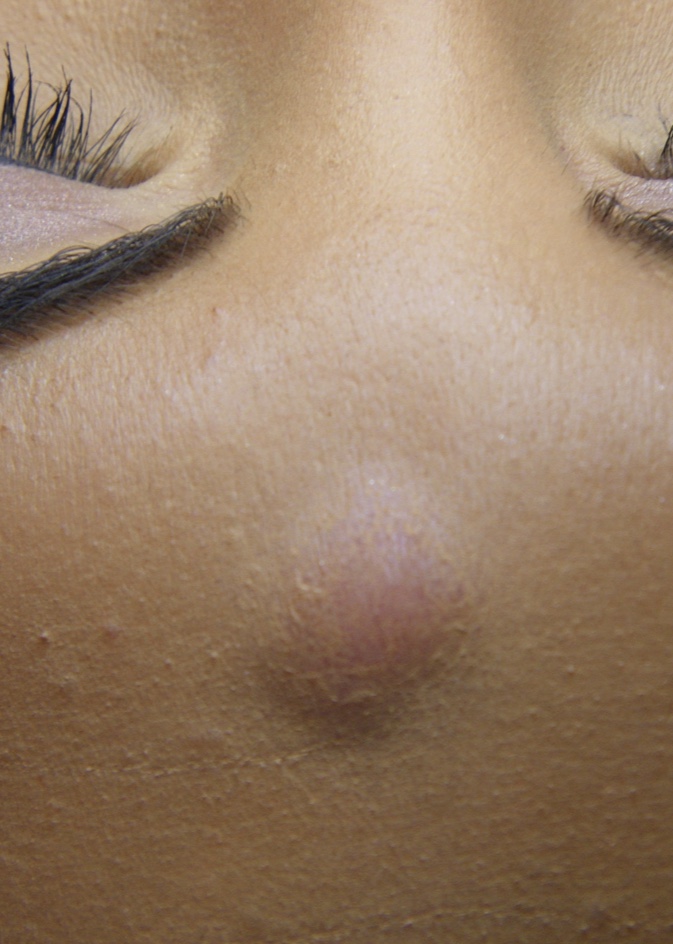
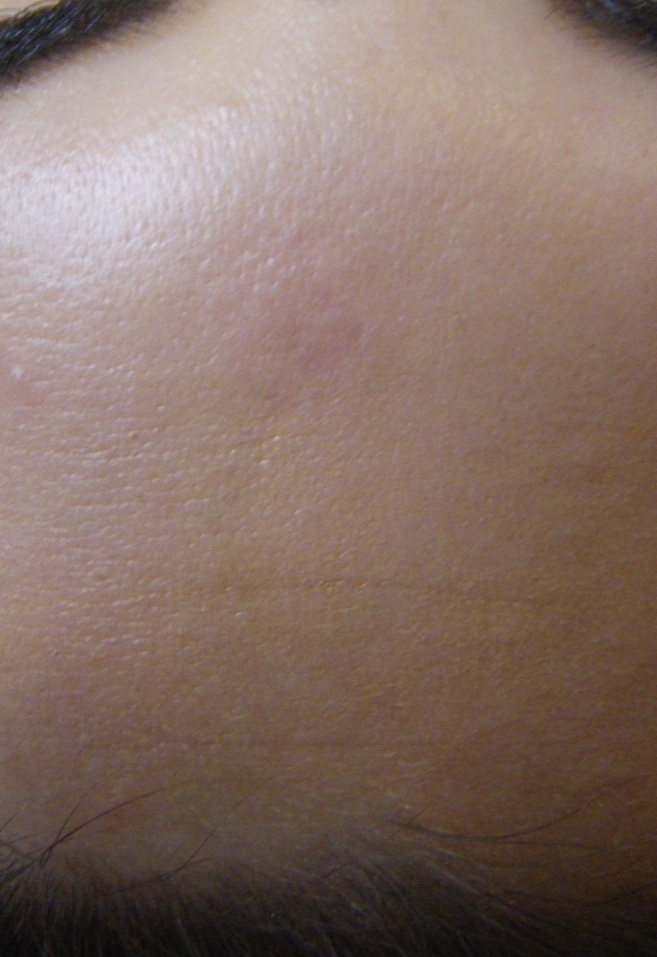
Moles respond extremely well to Advanced Blemish removal as the treatment is highly effective in reducing the size and visual appearance of the mole and if pigmented often lightning it too.
WARTS
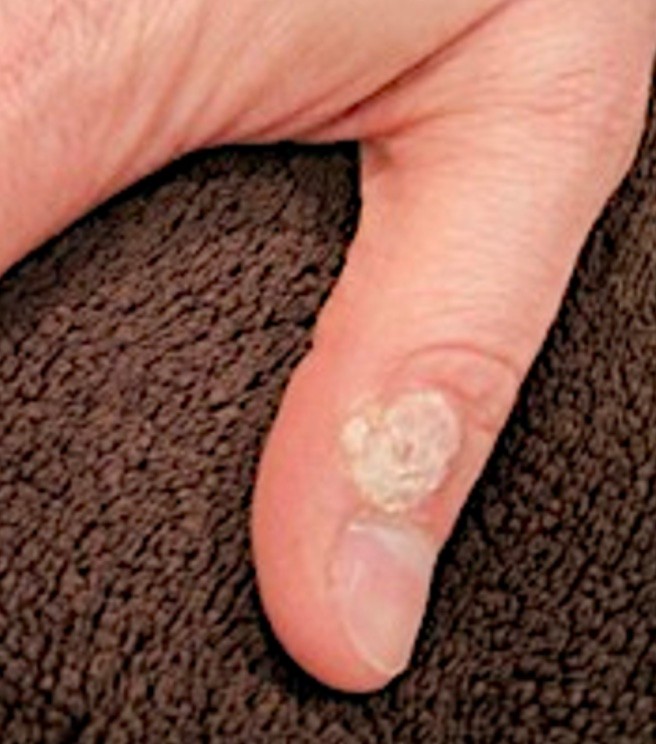
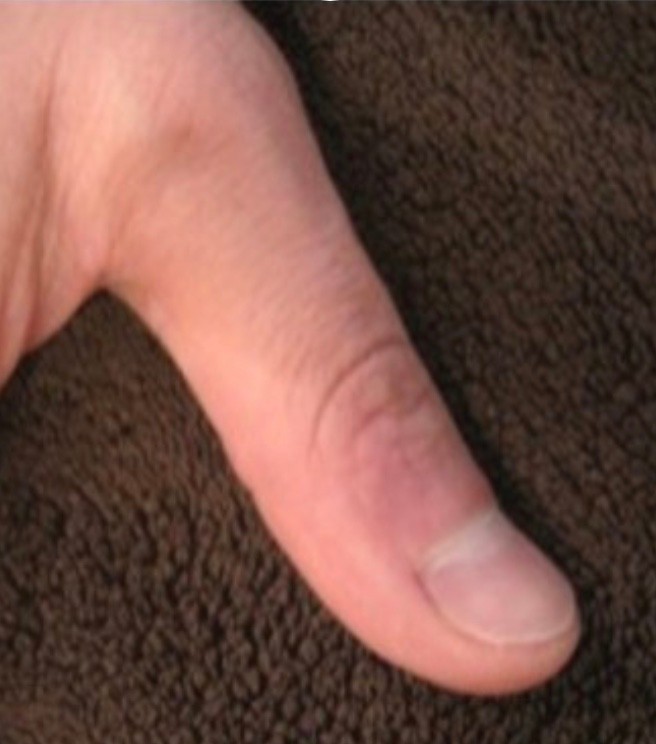
There are various types of warts including plane, common, filiform and verrucas, all can be easily and successfully treated using aesthetic electrolysis. These types of warts can develop individually or in clusters and are highly contagious.
SEBORRHOEIC KERATOSIS (SEB K’S)
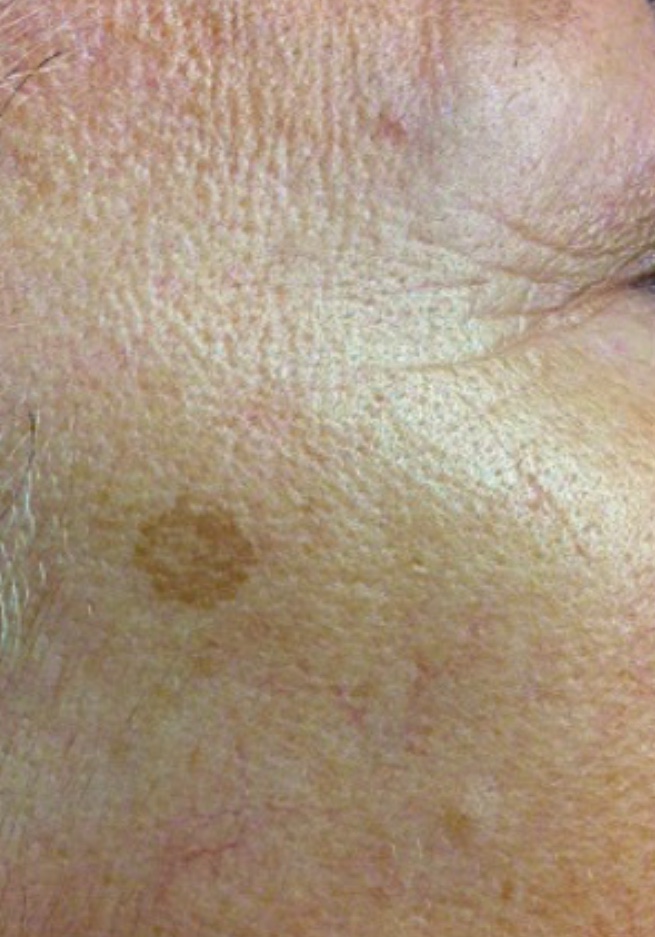
Although these look as though they may be part of the warts family they are not. They are very common on the head, face, back and limbs and are associated mainly with increasing age, mature skins and sun damage. They also have genetics links. Growing up to two inches wide, they are often dry, crusty and considered cosmetically unattractive.
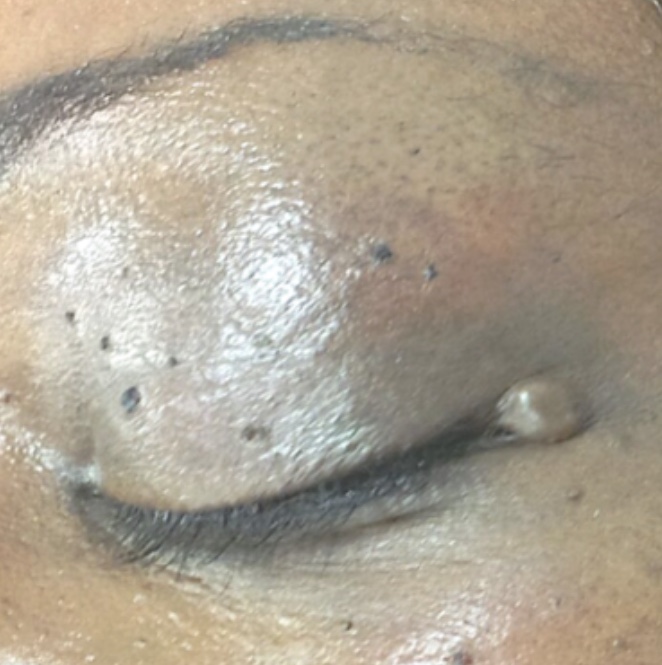
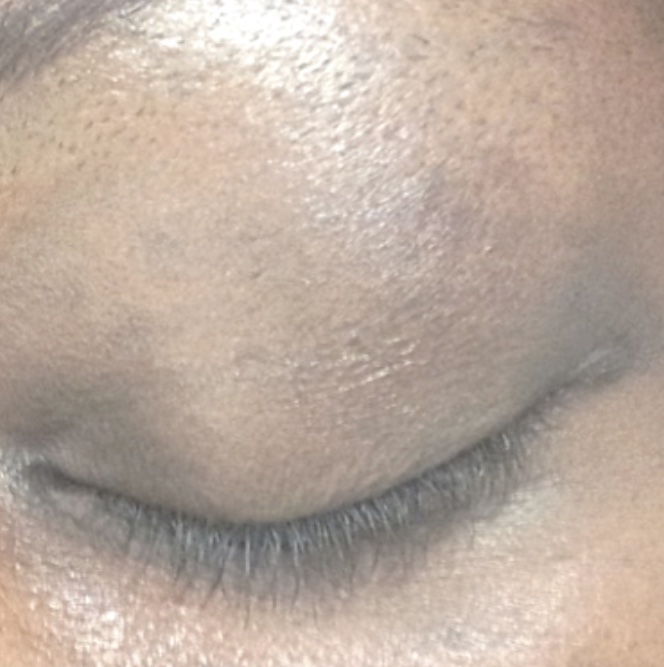
DERMATOSIS PAPULOSA NIGRA (DPN)
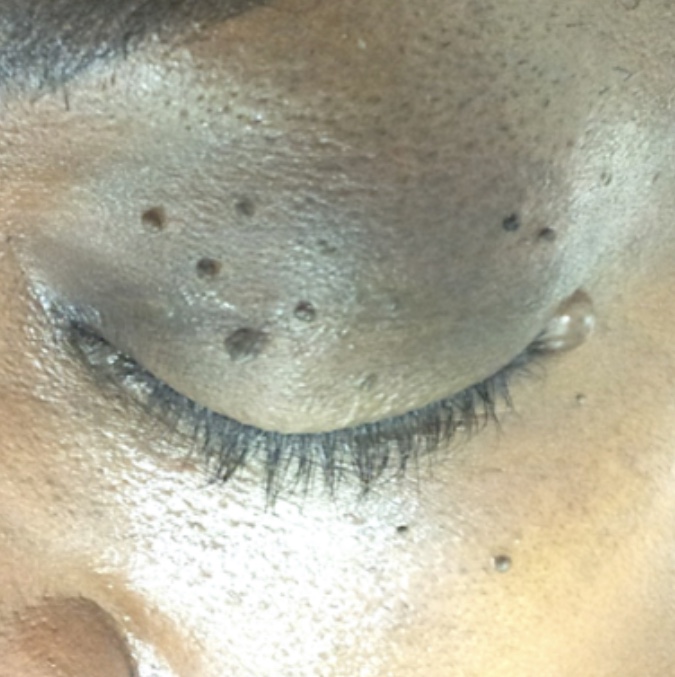
This is a common papular disorder which often develops on black skin and is identified by smooth, dome shaped, brown to black papules seen mainly on the cheeks, neck and upper chest.
HAIRS IN MOLES
Hairs in moles can also be treated and once treatment has started the mole may even reduce in size and colour. These hairs are generally very deep hairs with a rich blood supply which require repeat treatments.
Please ask for advice on these additional treatable skin conditions:
Age Spots/ Pigmentation
Marks
Campbell de Morgan/Cherry Angiomas
Molluscum Contagiosum
Sebaceous Cysts
Sebaceous Hyperplasia
Syringoma
Verrucas
Xanthelasma

How long is treatment and how many will I require?
These treatments often offer instantaneous results but the length of treatment very much depends on your specific blemish and skin condition. However the area of concern must not be over treated and you skin reactivity will be taken into account. Spacing techniques and treatment intervals will be carefully considered in your treatment plan as well a tout requirements, needs and wishes.
How are moles treated?
The mole is not completely removed from the dermis but it’s appearance above the skin is visibly reduced. Using high frequency energy the fluid in the mole is dehydrated resulting in a decrease in size often level with the surface of the skin. As well as being smaller and flatter they often become lighter too making them even less noticeable.
How are Seb K’a treated?
There are a number of techniques that can be used depending on your Seb K’S size and age; all involve lifting and releasing the blemish from the skin, cauterising it with high frequency energy in a gentle slicing motion to lift and remove the keratosis.
Will my blemishes return?
The treated blemish should not return but others met occur depending on the root cause. Your aesthetic electrologist will advise you during your consultation.
Aftercare



Cancellation Policy
Please note that 48 hours notice is required to cancel or re-schedule appointments, otherwise a 50% charge will be incurred. No-shows will incur a 100% charge for the treatment.
Everyone is welcome
We welcome everyone at NuSkiin, all genders are welcome here!
Inclusion and ensuring we are accessible to everyone is really important to us within the LGBTQ community.